June 26, 2026 · Property · 4 min read
The Corner-Unit Advantage: Two Exposures, More Light
125 Roosevelt Place is a corner townhome. That single fact shapes the experience of living there more than any individual room's dimensions.
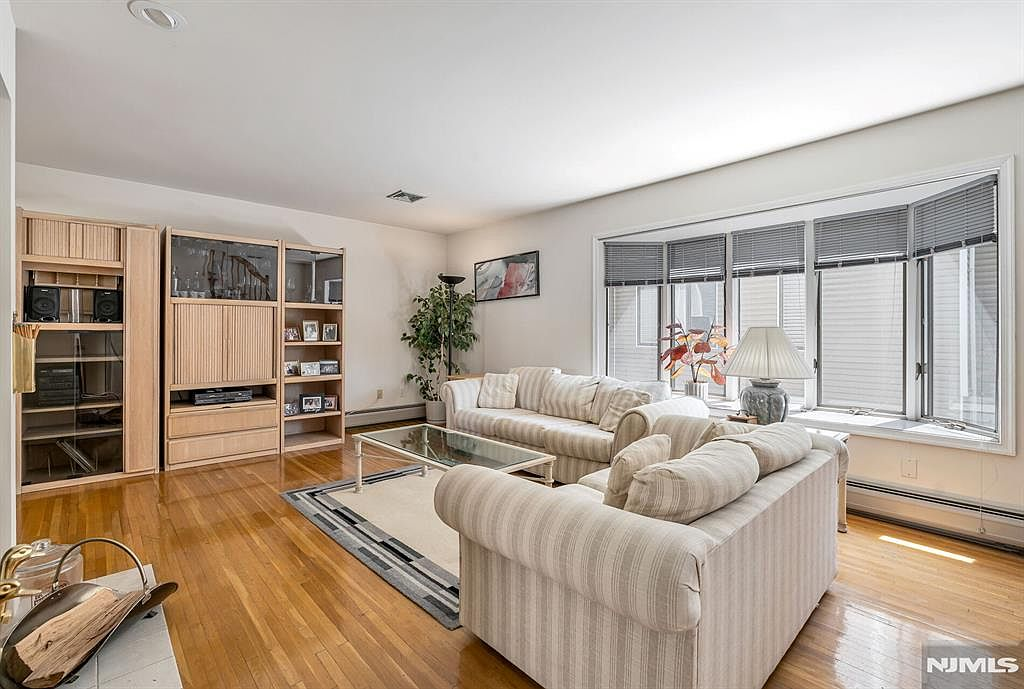
In a row of townhomes, most interior units have windows on just one side, the front and back. A corner unit breaks that limitation by adding a second exterior wall, which means windows on two exposures rather than one. At 125 Roosevelt Place, this plays out in practical ways throughout the day.
The living room's east-facing bay window catches morning light directly, the kind of unfiltered, angled sunlight that makes hardwood floors warm up visually and carries a room through its morning hours. At the same time, the corner position means the adjacent wall also carries windows, distributing light across the L-shaped living and dining space rather than concentrating it at the back of the room.
The primary bedroom upstairs benefits the same way. Corner windows on two walls mean the room is never dark on one side. Light reaches across the full space, and cross-ventilation is genuinely possible when you open windows on different exposures. In a unit that only had windows on one side, the primary bedroom would rely on a single air source; here, a breeze can actually move through.
There are secondary advantages too. Corner units typically share fewer walls with neighbors (125 Roosevelt shares one wall rather than two), which means less shared-noise transmission and a slightly greater sense of separation. The ground-floor bedroom benefits from this directly: with windows on two sides and its own thermostat, it reads more like a detached room than part of a shared townhome.
These are details that do not show up in a listing's square-footage number but shape how a home feels to live in. Light quality, ventilation, and the acoustic difference between a shared and an unshared wall distinguish a corner unit from its mid-row neighbors.
Photo & Video Disclaimer
Interior photographs and video have been virtually enhanced. The original unenhanced photographs are available upon request through the listing realtor.
By Scott Selleck
← Back to Journal